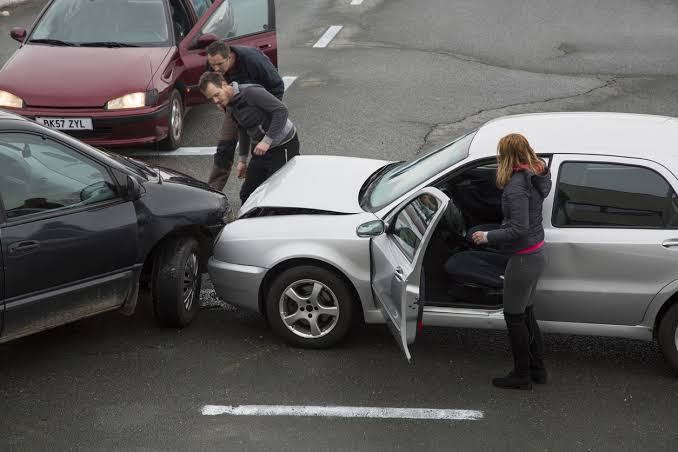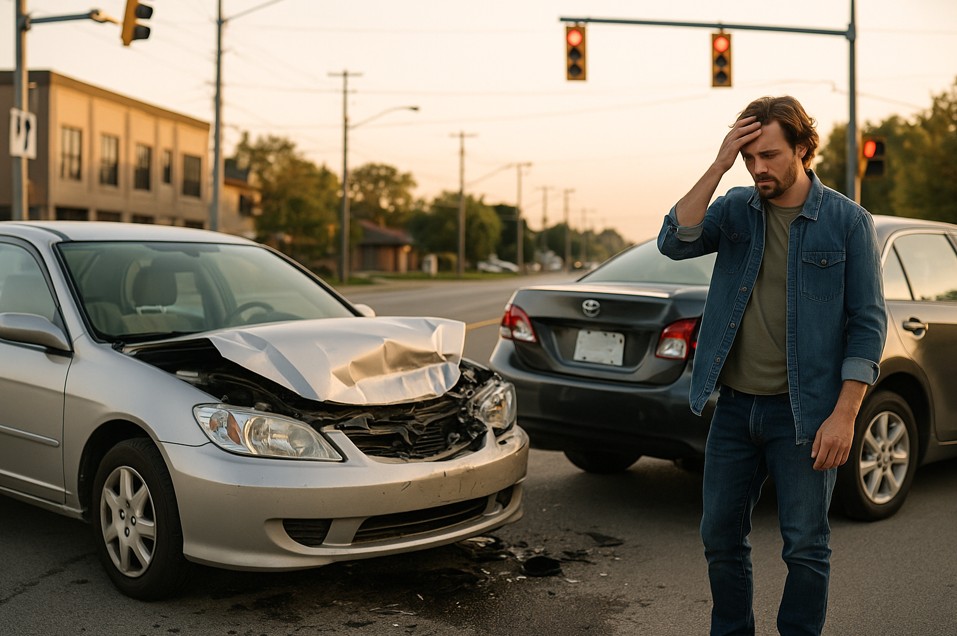
A car wreck may change your day in seconds . One minute you’re traveling through Washington, D.C. Then there are injuries and repairs and insurance calls to deal with. Then there is another question. Who was responsible for the crash? The answer is not always that straightforward. Many others feel the fault lies with one motorist. That’s not how life works very often. Insurance companies generally look at everything before the crash. They research traffic laws, witness testimony, images and police reports. They want to find someone to blame. This makes comparative fault a crucial issue. If you know how fault works, you can better safeguard your claim and your future.
Comparative fault means what?
Comparative blame is a legal concept that divides liability after an accident. It’s like dividing a restaurant bill. People do their part. In a crash, both drivers can be at blame to some degree. The driver might have been speeding. Or another may have turned and not had enough room. They may both matter.” Washington, D.C. has one of the harshest fault regulations in the country. A minor fault can impair the ability of a person to recover damages. It is therefore very vital to collect robust proof from the beginning.
Why Fault Is So Important
Medical expenditures can easily add up. Lost paychecks add to the stress. The amount you collect typically depends on showing that another person caused your injuries. That’s something insurance companies are aware of. They can say you were distracted, going too fast or didn’t react quickly enough. Even tiny claims like these can affect the progress of your lawsuit. That is why every detail matters. Scene photos. Video from traffic camera. Eyewitness accounts. Damage to the vehicle. Medical records. Each helps to tell the whole story.
Common Situations Where Fault is Disputed
Not every crash has a simple answer. Here are some common scenarios that commonly lead drivers to quarrel over who is at fault.
Rear End Collisions
The driver in back is often assumed to have caused the incident. Sometimes that is true. But unexpected brake checks or chain-reaction crashes, faulty brake lights can muddy the waters.
Left Turn Collisions
Usually, when turning left, you have to yield. And maybe another driver was speeding or ran a red light. Those facts *do* matter.
Intersection Accidents
Confusion at busy DC crossings. One driver might say the light was green. Another says the same. Key evidence is often video footage or witnesses in the area.
Parking Lot Accidents
Parking lots appear innocent. I mean, they do cause a lot of crashes. Drivers back up without looking around. Others cut through lanes or violate stop signs. The fault is often in the minor details.
Don’t Let the Insurance Companies Write the Whole Story
That’s the agreement. Insurance adjusters investigate claims on a daily basis. Their task is to guard the company’s cash. That doesn’t imply they are your enemy. But that does mean you need to be careful. “If you say something too close to the event, it can cause problems. A simple phrase like “I didn’t see them” can subsequently be used to imply responsibility. That’s why many injured persons consult a lawyer first before they disclose the crash in detail.
Evidence Might Change Everything
A solid argument is built on reality, not guesswork. Useful evidence may be as follows:
- Police accident reports.
- Past medical history
- Video from traffic camera
- Video from dashcam
- Witness statements
- Pictures of vehicle damage.
- Cell phone records in case of distraction
- Professional accident analysis
You know what? One clear snapshot can explain questions that weeks of arguing cannot address.
What If You Think You Are Partly at Fault?
Accidents make a lot of people worry. Maybe you switched lanes. Maybe you were going a little faster than the speed limit. But that doesn’t mean your case is over. The facts still count. Every accident has its own tale. A diligent inquiry may establish that another driver produced the larger threat. Don’t judge guilt until you see the facts.
Serious Injuries Often Bring Bigger Questions
Some wrecks leave more than dents on metal. Victims may endure shattered bones, burns, spinal cord or brain injuries or suffering that never leaves. It is expensive to recover. And it takes time. Treatment can last for months or even years. When there are serious injuries involved, finding blame becomes even more critical as future care, lost wages and anguish could all be part of the claim.
How a lawyer makes a strong case
A lawyer does a lot more than just filling out forms. They look into the crash. They gather evidence before it vanishes. They take statements from witnesses. They work with medical experts and accident experts when needed. They also work with insurance firms, giving injured patients additional time to rehabilitate. Working with a DC Personal Injury Lawyer can help you with numerous types of injury claims if your injuries were not limited to a vehicle incident. Price Benowitz Accident Injury Lawyers, LLP help persons injured in car, truck, motorcycle, bicycle, transit and pedestrian accidents. The organization also aids people with life-altering disabilities, including burns and spinal cord damage.
Small Steps To Save Your Claim
Little things can make a big difference after a crash.
- Call the police and report the accident.
- Seek medical attention immediately.
- Take photos before vehicles move .
- Keep repair estimates and receipts.
- Retain all medical records.
- No social media to blame.
- Do not accept a settlement until you talk to a lawyer.
These processes may sound mundane. Together they help to make a much stronger case.
Conclusion
A car accident claim is not just about repairing a car. It’s about your health, your income, and your future. Fault questions can get very, very difficult. Insurance companies are aware of that. You ought to know it too. The more compelling your proof the more compelling your stance. After a Washington, DC vehicle accident, early action is your greatest chance to defend your rights.
FAQ (Frequently Asked Question)
1. What is comparative fault in vehicle accident cases?
Comparative fault is when more than one person is determined to have had a part in a wreck. Insurance companies and courts will look at what each driver did to determine who is at fault. The result can alter the amount of compensation an injured person receives.
2. Can I still get compensation if I was partly to blame for the crash?
It depends on the facts and the laws that apply to your case. Even if you think that you have erred, you should not conclude that you have no claim. A complete examination might demonstrate another driver had the bigger involvement.
3. What evidence can help establish culpability after an automobile accident?
Photos, police reports, medical records, witness accounts, traffic camera footage and car damage all contribute to establish a good claim. Initial evidence is frequently the most valuable, as memories and physical evidence can fade with time.
4. Should I speak to the insurance company immediately after the accident?
Report the accident, but be careful about what information you disclose or recorded comments you give. Your words can be used by insurance firms for assigning blame. Many people choose to speak to a lawyer first.
5. When should you call a car accident attorney?
Following the incident, you should call a lawyer right once if you have sustained injuries or if there is a dispute over who was at fault. Early legal advice secures evidence, protects your rights and builds your claim from the start.