Slots still pay the bills for a lot of online casinos. They’re quick, colourful, and you can play half-asleep. But “quick and colourful” also explains why many players bounce after a short session, or end up in that weird autopilot mode where the spins blur together.
Live casino is the opposite vibe, and it’s not subtle. Click into tamasha live casino games and there’s a real dealer, a real table, a countdown clock, and other players doing their thing. It feels less like tapping a toy and more like joining an ongoing event. That’s where engagement comes from.
Slots are built for speed. Live casino is built for tension.
Traditional slots are basically a private loop: spin, outcome, spin again. Even when the theme is brilliant, the core mechanic is repetition. Some players love that simplicity. Others get bored, fast.
Live casino introduces friction in a good way. Not frustrating friction, but natural pacing. Bets open, bets close, the dealer acts, the result lands, the table resets. The whole thing has a beat, and humans are wired to follow beats.
The psychological difference is obvious once it’s felt
Slots deliver instant outcomes. Live tables deliver anticipation. Anticipation is sticky. It creates attention, even when the stake is small.
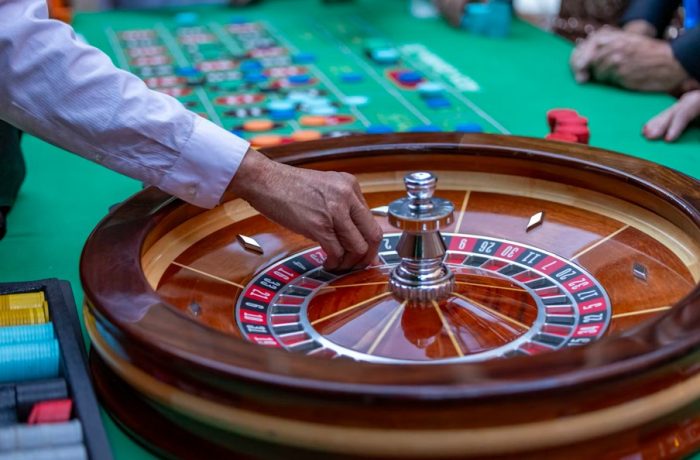
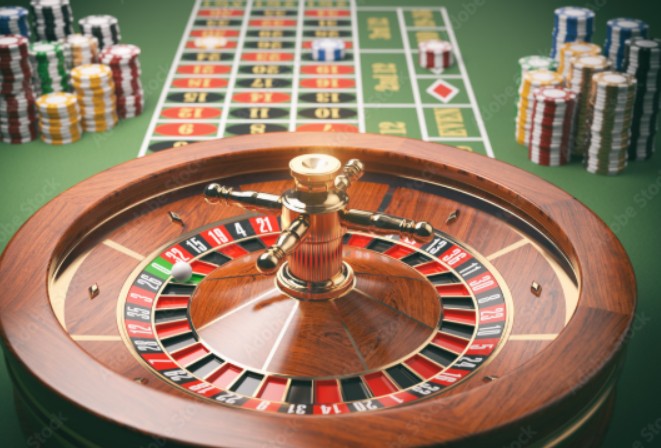
That’s why a simple roulette spin can hold someone longer than a slot with ten bonus features. The wheel is doing something in the real world, in real time, and the result takes a moment to arrive.
Real-time pacing keeps players present
Slots let players control tempo. That sounds empowering, but it’s also why sessions can become a blur. Auto-spin, turbo mode, skip animations. It turns into a thumb workout.
Live games slow that down naturally. There’s a betting window. There’s a dealer. There’s a physical action that cannot be rushed. That steady pacing does two things:
- It reduces the “machine-gun” feeling of constant spins
- It makes each bet feel like a choice, not just another click
Even for players who don’t care about strategy, the pace creates a sense of occasion. That’s engagement.
A small detail that matters: the countdown clock
The timer forces attention. “Bet now” is a stronger prompt than “spin whenever.” It’s also why live casino feels more like a real table session and less like scrolling a feed.
Social presence changes everything
Slots are solitary by design. Sure, there are leaderboards and tournaments, but the gameplay itself is still one person versus a screen.
Live casino has other people in the room, even if it’s a virtual room. Chat, seat limits at blackjack tables, the occasional “nice hit” message when someone wins big. It creates light social pressure and social energy, which keeps attention locked in.
Dealers act like human anchors
A good dealer brings structure and calm. They call phases clearly, keep the pace moving, and react like a person, not like an animation. It’s not about flirting or forced banter. It’s about the table feeling run by someone competent.
Players respond to competence. A smooth dealer makes the whole platform feel more trustworthy.
Live tables feel “skill-adjacent,” even when luck dominates
Let’s be honest: plenty of live casino play is still luck-driven. Roulette is roulette. Baccarat is mostly baccarat. But live tables introduce moments where decisions exist, and that alone boosts engagement.
Blackjack is the easiest example
In slots, the only meaningful decision is stake size, plus maybe a bonus buy if it’s offered. In live blackjack, there’s hit, stand, double, split, insurance (depending on rules). Even casual players feel more involved because actions shape the hand.
That involvement creates a stronger memory of the session. Slots often create a foggy memory: “Some bonuses happened.” Live blackjack creates a narrative: “That double-down actually worked.”
Roulette and baccarat have a different kind of engagement
Even without decision-heavy play, players track outcomes. They watch patterns. They change bet types. It’s not guaranteed to improve results, but it makes the player feel active, not passive. Feeling active is engaging, regardless of the math.
Live casino has a “watchability” factor slots can’t match
Slots are designed for the player, not for spectators. Live casino is watchable by nature. That matters because a lot of engagement is simply attention that doesn’t feel forced.
Game-show style live titles lean into this hard. Bright sets, presenters, big multipliers, round-based drama. It’s built like entertainment first, gambling second. That formula attracts players who might never open a classic five-reel slot.
Transparency builds comfort, and comfort keeps sessions going
A slot can be fair and still feel mysterious. Outcomes appear instantly and privately. Some players are fine with that. Others never fully relax.
Live casino shows the process. Cards are dealt. Wheels spin. Results are called. The mechanics are visible, and visibility reduces mental friction.
That comfort turns into longer sessions because the player isn’t constantly second-guessing what’s happening. No need to “trust the animation.” The table is right there.
The session has a beginning and an end, not an endless loop
Slots are an infinite scroll in gambling form. There’s always another spin, always another chance to “get it back.” That endlessness is part of the design.
Live casino breaks gameplay into rounds with natural pauses. Those pauses can be used to think, adjust stakes, or just stop. Oddly enough, that structure can make live casino feel more sustainable for some players, even though it’s still gambling.
How to choose live casino games that actually stay engaging
Not all live tables are created equal. Some are lively and sharp. Some are slow, blurry, or chaotic in a way that drains attention.
A quick practical checklist helps:
- Look for clear camera angles where cards and outcomes are easy to verify
- Check table limits before joining, so the session doesn’t become awkward
- Watch one full round before betting to understand pace and vibe
- Prefer tables with stable streaming on mobile, especially if playing on data
- Use chat only if it adds something, not if it distracts or tilts the mood
That’s enough to filter out the tables that feel like waiting rooms.
Engagement has a downside: live games can pull focus harder than slots
This part gets skipped in most “live casino is amazing” takes. Engagement is not always a pure positive. A live table can feel immersive, which makes it easier to lose track of time.
Two common traps show up:
- Chasing momentum: “One more hand while the table feels hot.”
- Social tilt: getting irritated by chat, dealer pace, or other players and betting emotionally.
Simple guardrails that don’t ruin the experience
A few habits keep engagement from turning into a long session nobody planned:
- Set a time limit before joining a table, not after a loss.
- Use smaller stakes for fast games with frequent rounds.
- Take breaks between tables, because switching tables resets emotions.
Not moral advice, just practical reality.
When slots still win
Slots still do a few things better than live casino:
- Instant play, zero waiting for a betting window
- Wider variety of themes and bonus mechanics
- Easier for micro-sessions, like five minutes on a commute
So no, live casino does not “replace” slots. It scratches a different itch.
But for players who want presence, tension, and interaction, live casino has a clear edge. It feels like joining a table, not pressing a button. And that, more than any new feature or shiny interface, is what makes live casino games more engaging than traditional slots.